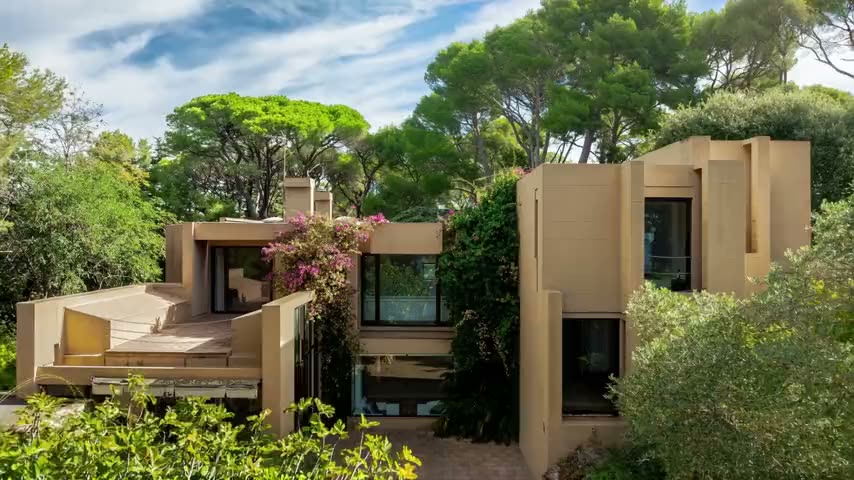
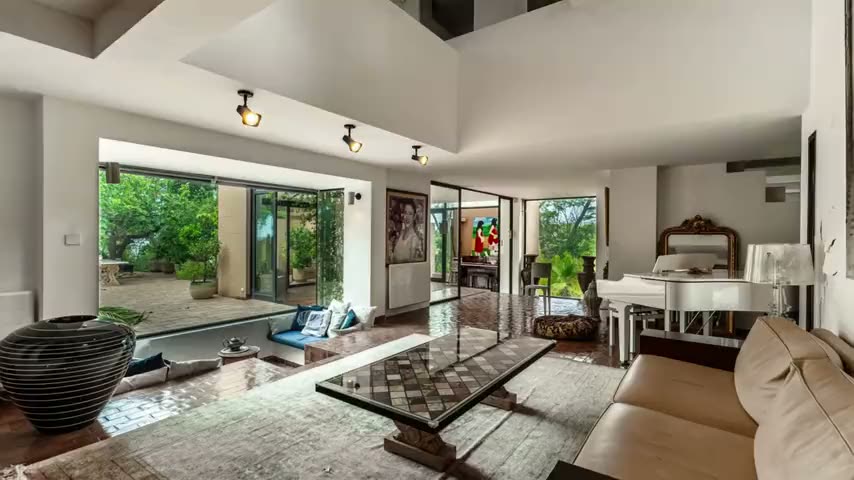
Why video stayed reserved for a few properties
For thirty years, properties were shown in photos. Video required a site visit, a shoot and an edit for every property: it went to the properties that justified it, and the rest stayed in photos.
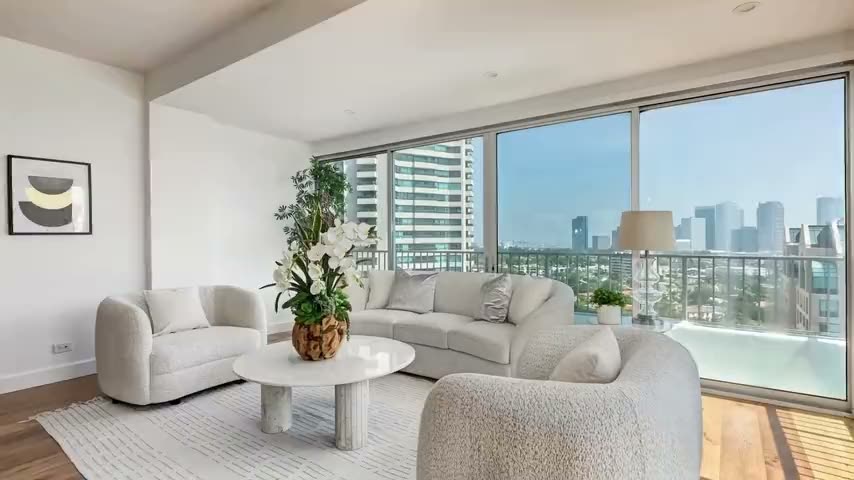
Video has become what people look at first. It is vertical, it runs in feeds, people watch it on a phone and send it on. Yet, with few exceptions, a property listing is still shown in photos. This comes down to the cost of each video.
Thirty years of photos
For a long time, a listing was something you read: a title, a floor area, a price, a description, then a series of photos. The photographer comes once, takes the pictures, and those pictures are used everywhere: on the agency’s website, on listing sites, in brochures, in mailings to buyers. Photos took hold because they are produced once and reused at no extra cost.
Meanwhile, how people watch has changed. They scroll through feeds of vertical videos on their phones. They watch a video to the end or move on to the next one, and send on the ones that interest them.
What a filmed video requires
Filming a video of a property on site requires:
- A site visit. Someone travels to the site, on a date that suits the owner, in light good enough to film, in a home tidied for the occasion.
- A shoot. A camera, a stabiliser, sometimes a drone, and the time to get each shot in each room.
- An edit. Someone has to choose the shots, put them in the order of the tour, set the pace, the agency’s colours and the end card, then export one version for the website and a vertical one for feeds.
These three steps are repeated for every property: a site visit serves only one address, and the edit of one flat is no use for the next. So the cost does not fall as the number of properties grows.
Filming goes to the properties that justify it
Faced with this cost, an agency makes a reasonable choice. It keeps filming for the properties where it counts: an exceptional property, an exclusive listing, a seller who asks for it, a property whose price covers the expense. If you run an agency, you make this calculation with every listing.
The videographer chooses the light, the framing and the time of day, and knows the property from having walked through it. For exceptional properties, a film shot on site remains preferable, and they stay with the videographer.
The other properties stay in photos because of the cost. An agency that publishes a flat in photos knows what a video is worth, but it has no way of producing one for every property.
What was missing: a film without a site visit
The desire and the skills were there. What was missing was a way to produce the film of a property without going there. But every property already has its photos: the agency chose and approved them, and they are online.
Our models work from these photos alone, and nobody comes to film on site. They read each photo in relation to the others, then build the camera movement from that reading.
- Photo 1
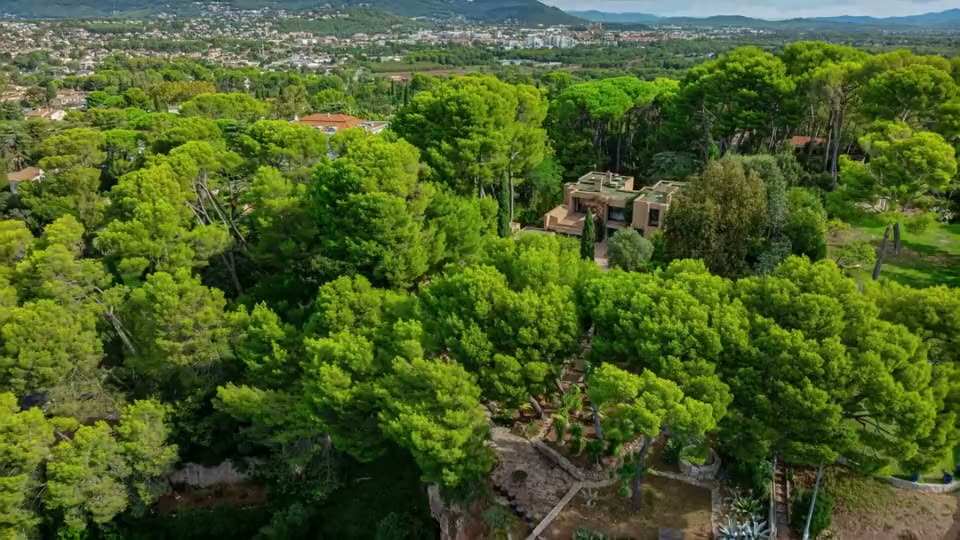 Photo 2
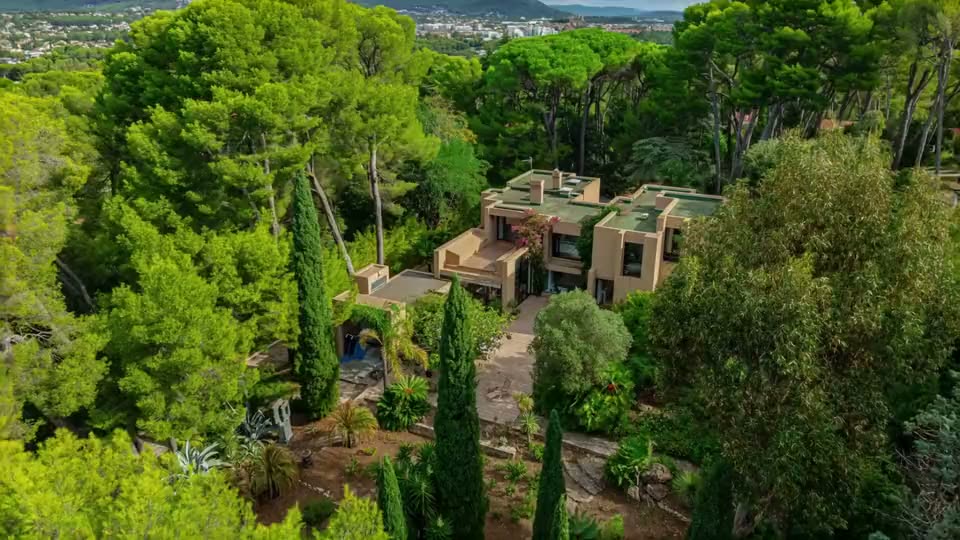 Photo 3
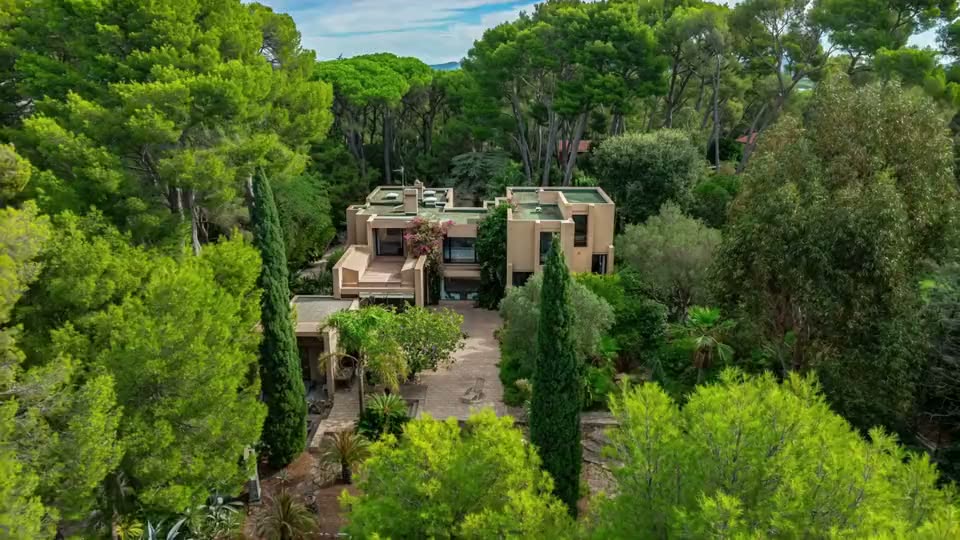 Photo 4
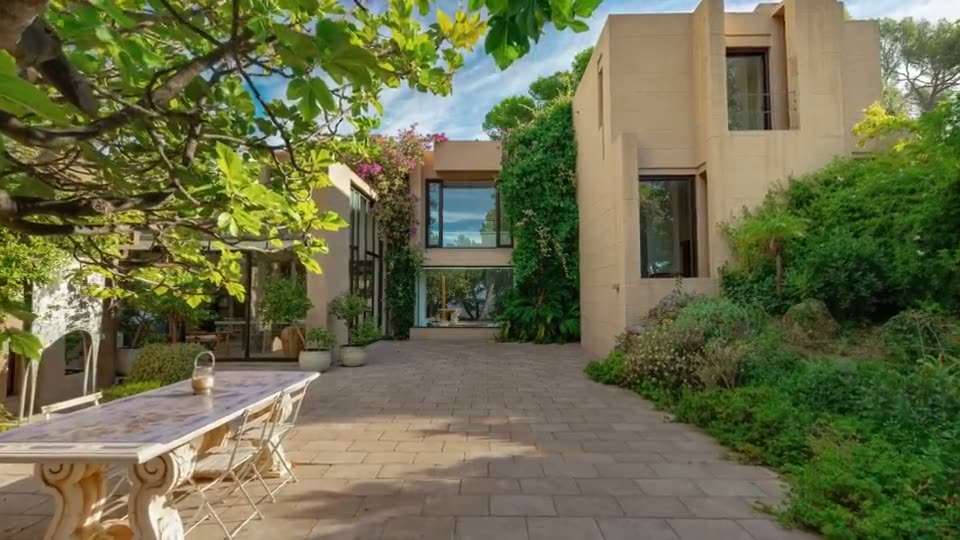 Photo 5
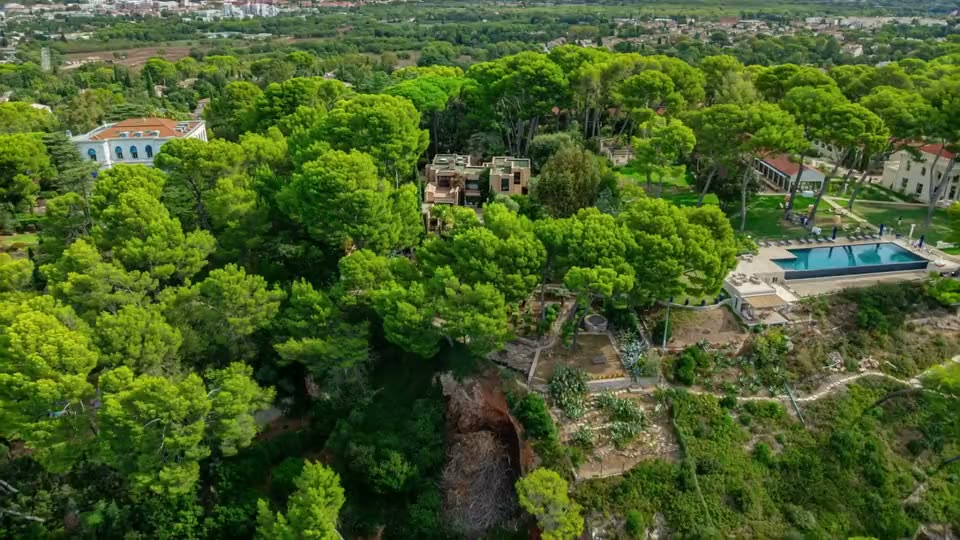
Five photos from the listing, and the four clips that link them: each starts on one photo and ends on the next.
The camera does not go beyond what the photos show. Each clip starts on one listing photo and ends on another; where no camera movement links two photos, the film cuts. Everything the film shows is already in the photos. We check each clip against its two photos, and we redo any clip that departs from them before it goes into the film.
The film of a property is then made from the photos already published. The videographer carries on filming, and the properties that had no shoot can have their film too.
The Verification page details what we check before a clip goes into a film.